How to Optimize Amazon Images to Increase Sales

By the Finnex Agency team
TL;DR
- In 3 seconds the shopper decides whether to trust your product, and the first thing they look at are the images.
- One clean main image + 6-7 secondary ones telling benefits moves more CTR and CVR than any copy.
- Optimizing images is the highest short-term ROI investment in a listing.
On Amazon, images are not a decorative element within a listing.
They are one of the most influential factors in the customer's purchasing decision.
In fact, when a user browses search results, they may take less than three seconds to decide whether a product inspires confidence. And in that brief moment, the first thing they evaluate is not the price or the product description.
They evaluate the product images.
That's why properly optimizing the images of an Amazon listing not only improves the aesthetics of the page. It directly impacts CTR (clicks), conversion, and sales.
Brands that dominate Amazon understand something key:
Images should not function as a simple product gallery, but as a visually designed sequence strategically crafted to guide the customer toward the purchase.
In this article you will learn:
- What makes an image actually work on Amazon
- How to structure a visual sequence that guides the customer toward the purchase
- What mistakes to avoid so you don't lose conversions
- And how leading brands use visual storytelling to increase sales
The role of images in Amazon conversion
When a user enters a listing, images fulfill three fundamental functions.
1. Capturing attention
Amazon is an extremely competitive environment. Every search shows dozens of similar products, so the first battle is getting the click.
A clear, professional, and well-optimized image significantly increases the listing's CTR.
2. Explaining the product quickly
Shoppers on Amazon don't read all the content.
In many cases they scan the page in a few seconds.
Images allow communicating benefits, functionalities, differentiators, and context of use much faster than text.
3. Eliminating purchase objections
Before buying, the customer has questions like:
- Is it good quality?
- Does it really work?
- Is it easy to use?
- Is it better than other options?
A good image system visually answers those doubts, reducing friction in the purchase.
The most common mistake in Amazon listings
Many sellers use images only to show the product from different angles.
However, showing the product is not the same as selling the product.
On Amazon, images must build a visual narrative that explains:
- what problem the product solves
- why it is better than other options
- how it is used
- what benefits the customer gets
When images don't fulfill this function, the listing loses much of its conversion capacity.
Brands that sell the most understand that each image must answer a customer question.
In other words: each image must bring the user one step closer to the purchase.
A real example of visual storytelling on Amazon
A brand that applies this strategy very well in the supplements sector is MaryRuth's.
Their listings typically use a clear visual sequence that quickly communicates the product's value without overwhelming the user with unnecessary information.
A good example is their supplement Liquid Multivitamin + Hair Growth, formulated with biotin and other nutrients designed to support hair growth, as well as skin and nail health.
What's interesting is that the images follow a clear visual narrative that explains:
- the main benefit of the supplement
- key ingredients and nutrients
- how the product is consumed
- why the customer should trust the brand
Below we will analyze how this image structure works within the listing.
Analysis of an optimized listing
To better understand how an optimized gallery works, let's analyze the visual structure of MaryRuth's Liquid Multivitamin + Hair Growth supplement.
Each image fulfills a specific function within the customer's decision-making process.
Clear product presentation
The first image shows the product clearly and professionally. The goal is not to explain everything yet, but to stand out visually in search results and generate the click.
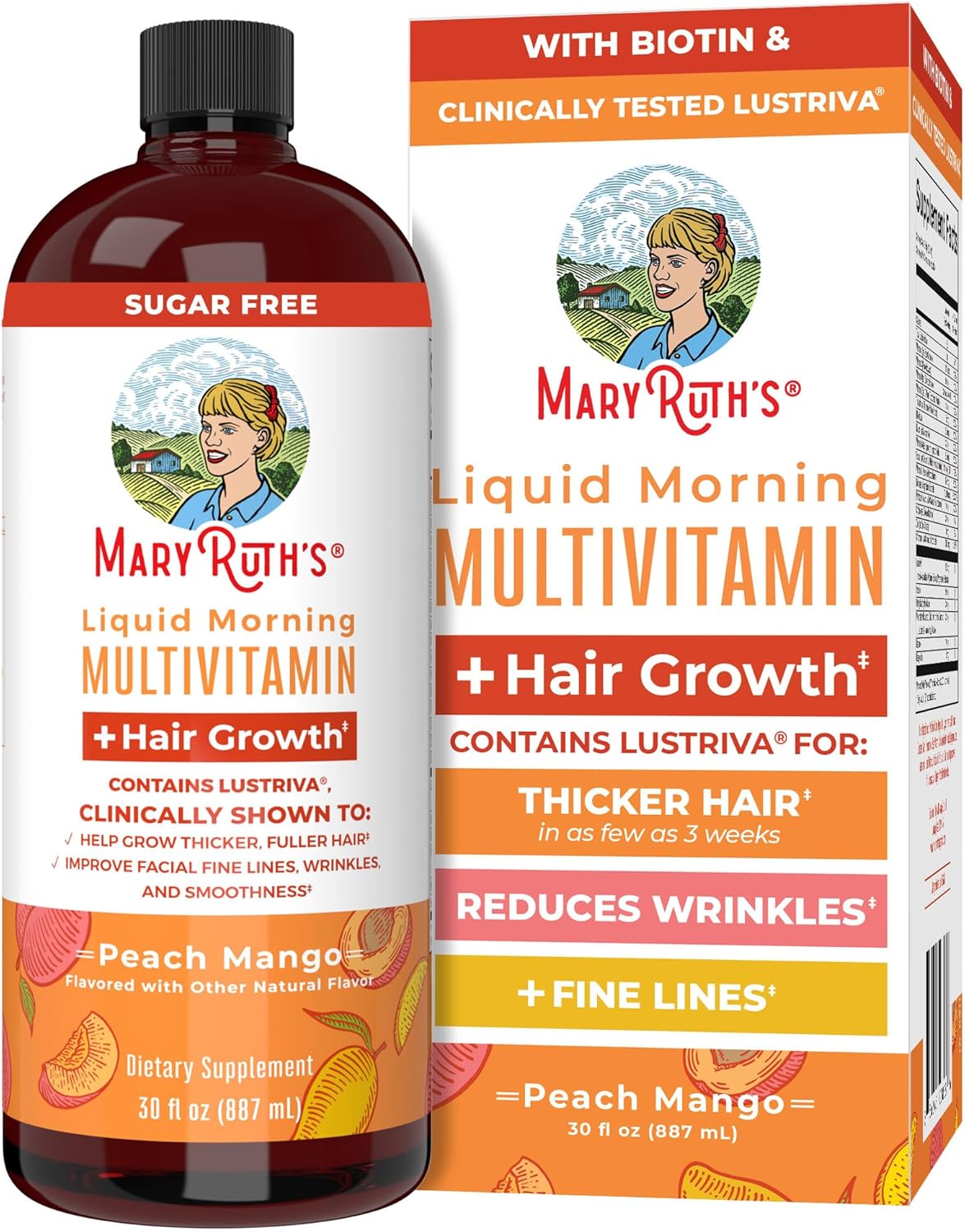
An effective presentation image must convey product quality in less than two seconds, before the user has time to read the title.
Communication of the main benefit
Once the user enters the listing, the next image begins to communicate the product's value. It quickly answers the user's key question: "What benefit do I get from this product?"

In this case, the listing highlights the main benefit of the supplement:
- support for hair growth
- improvement of skin and nail health
- formula with biotin and essential vitamins
When the main benefit is communicated clearly from the start, the user immediately understands the product's value.
Results and product evidence
This type of content fulfills a key function within the listing: demonstrating that the product can generate real results.
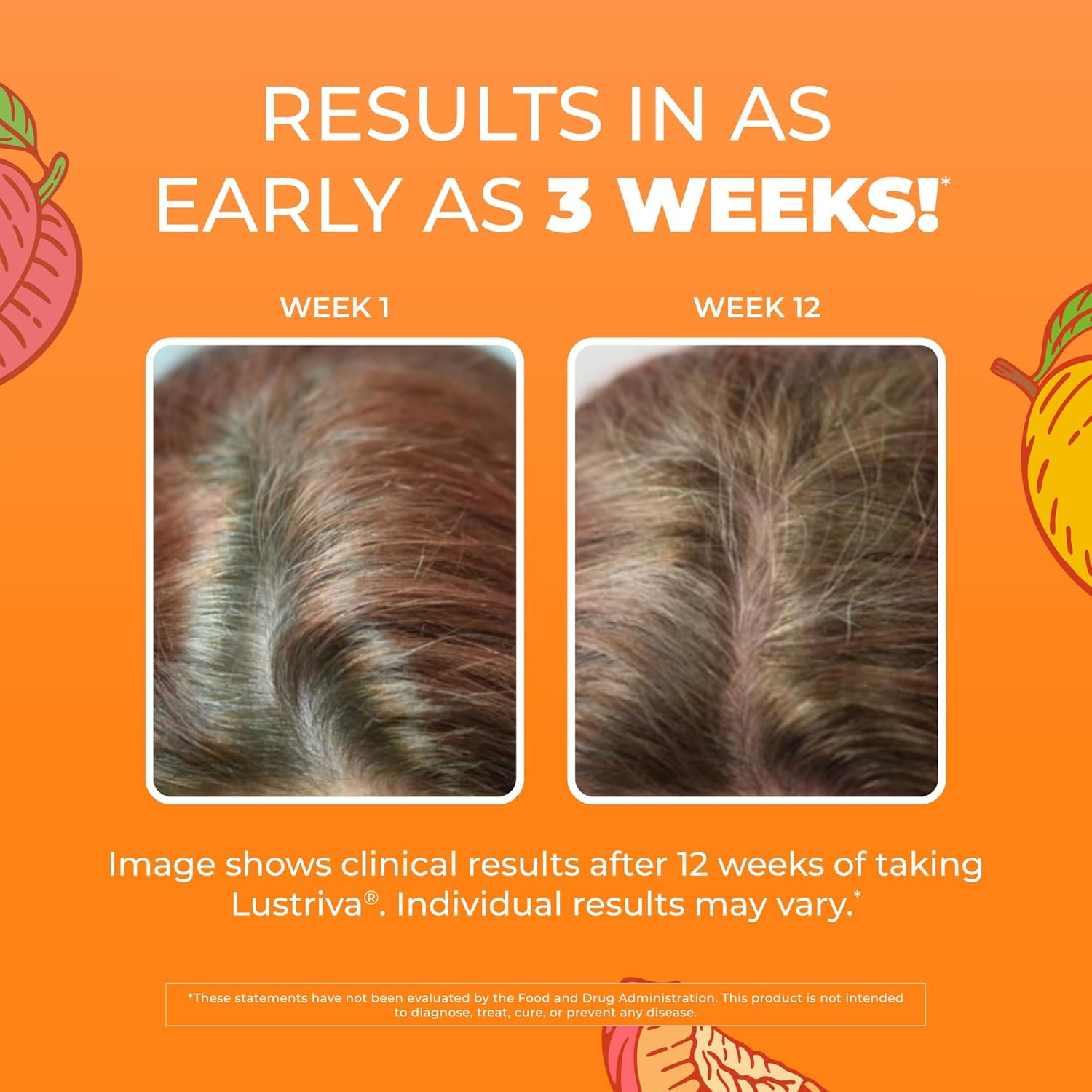

These images show the results associated with using the supplement and the main benefits of the formula. When the customer observes visual evidence associated with the promised benefit, the perception of efficacy increases and one of the main purchase doubts is reduced.
Visual explanation of ingredients and composition
Instead of forcing the user to read an extensive nutritional table, the brand translates scientific information into a simple and immediate visual format.
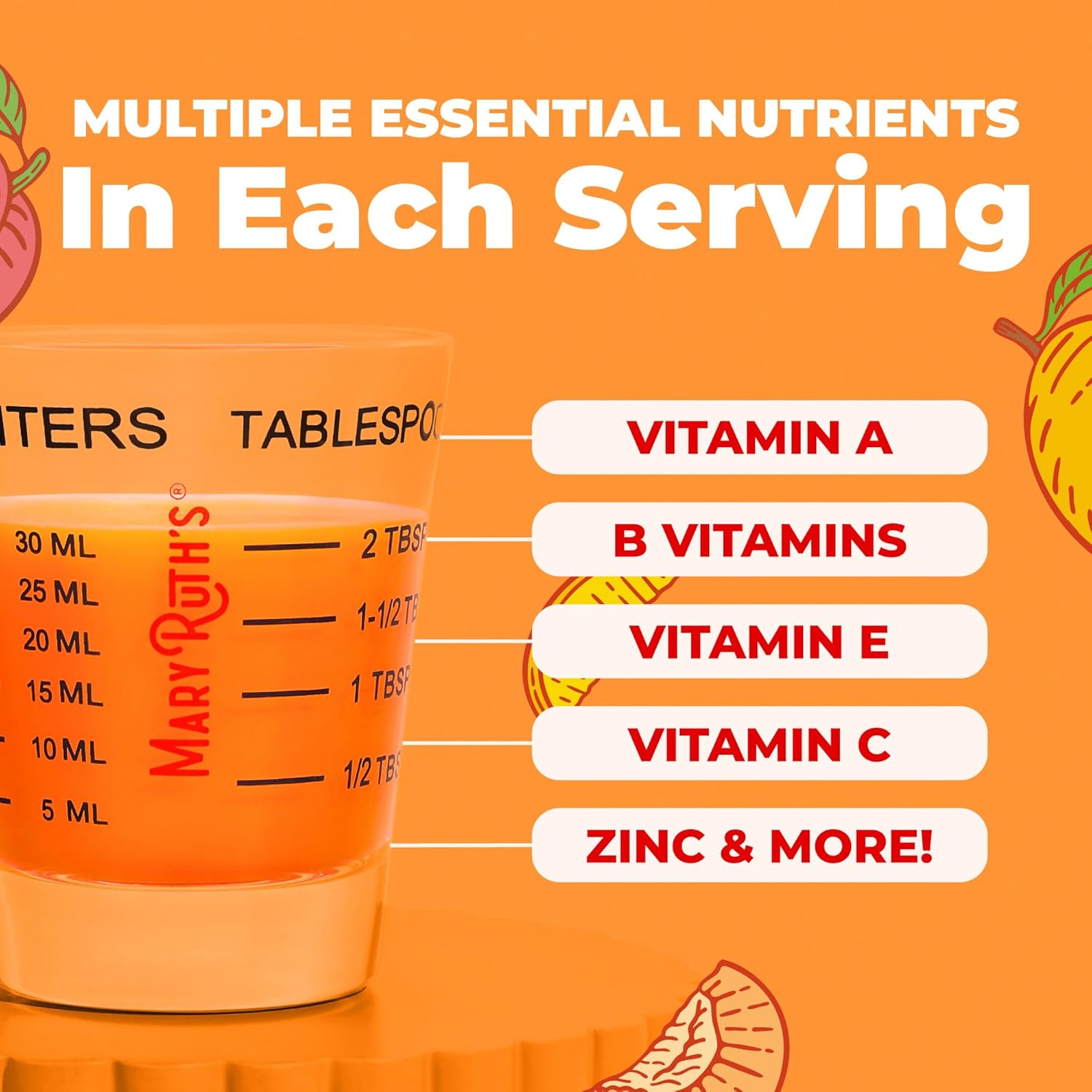
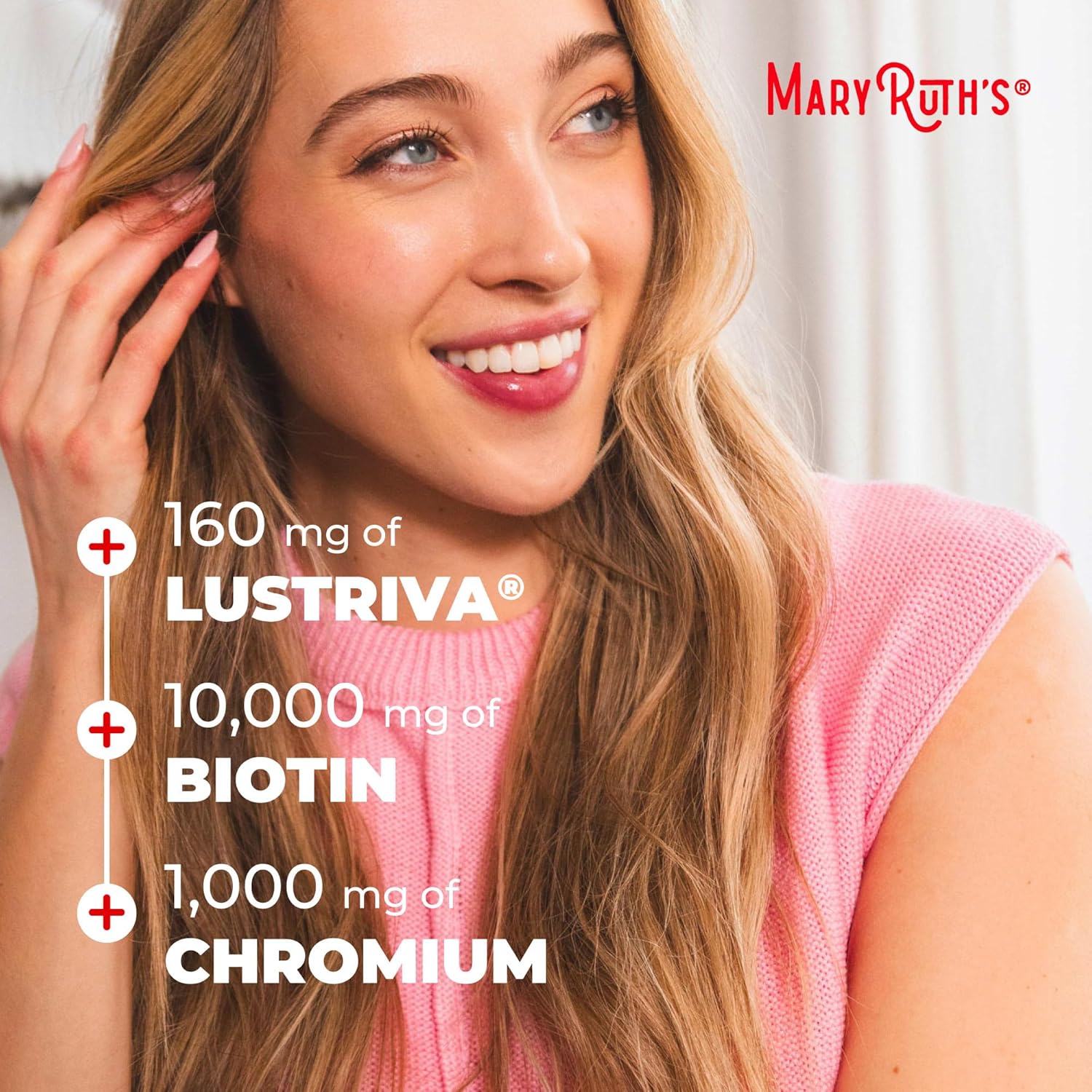
These images communicate the most important nutrients and active ingredients in a visual and direct format. When the product's composition is communicated clearly, customer confidence increases and the purchasing decision becomes faster.
Usage instructions and product simplicity
On Amazon, reducing any customer doubt is essential to increase conversion. When a user doesn't quickly understand how a product is used, they may feel uncertain and abandon the purchase.
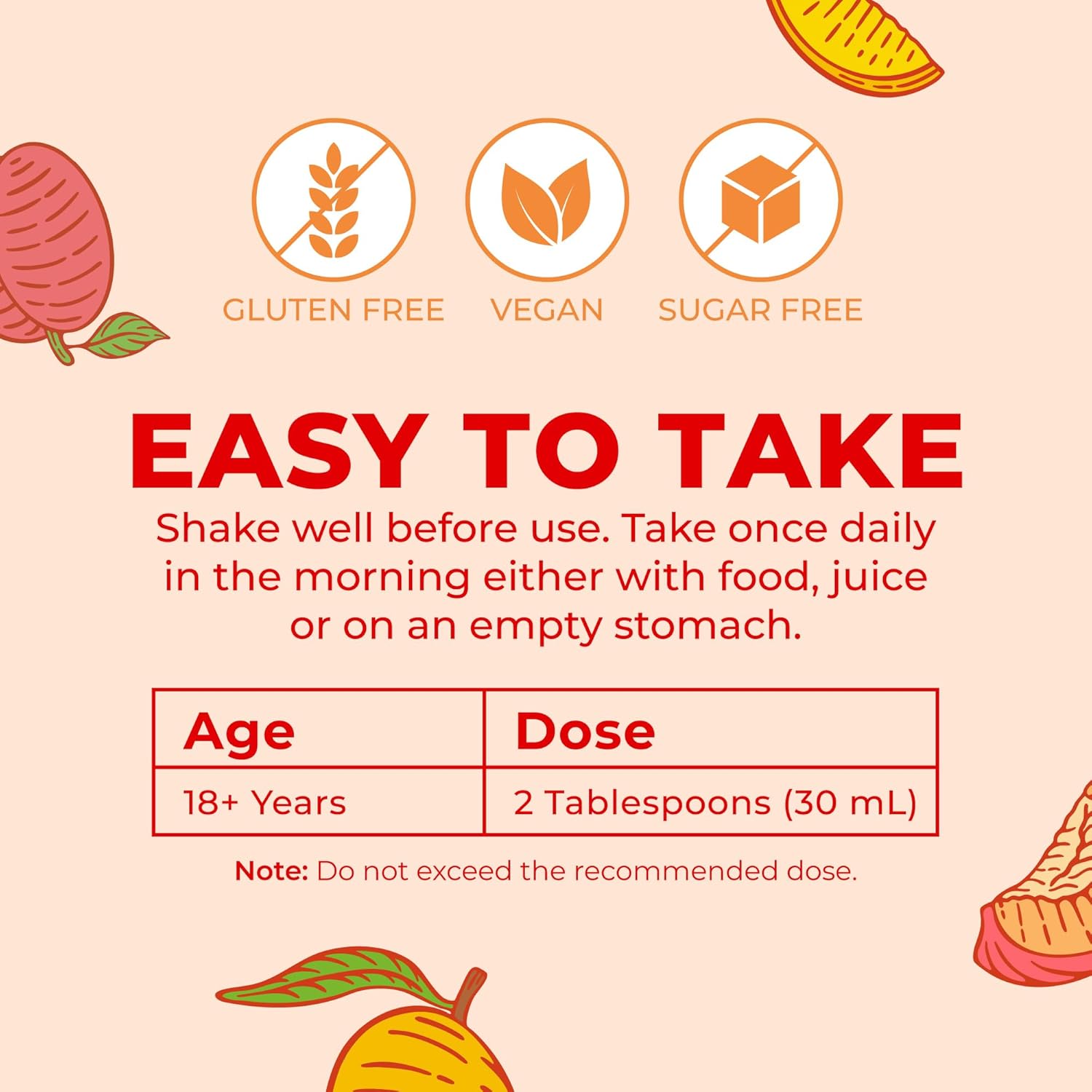
The last image shows how to use the product clearly and simply:
- how the product is consumed or applied
- the recommended dose
- frequency of use
- additional characteristics like gluten free, vegan, or sugar free
When product usage is understood in seconds, the perception of simplicity increases and the purchase becomes more natural.
The ideal image structure for an Amazon listing
An optimized listing typically uses between 6 and 7 images to build the complete product story.
1. Main image: clarity and professionalism
The main image is probably the most important image in the listing, as it's responsible for generating the click from search results.
Amazon requires certain best practices: white background, product occupying ~85% of the space, professional lighting, high resolution, no text or additional elements.
2. Main benefit image
Once the user enters the listing, the first thing they ask is: "Why should I be interested in this product?"
The second image must answer this question, showing the problem the product solves, the main benefit, or the clearest advantage over the competition.
3. Lifestyle (real use) image
Lifestyle images are fundamental because they help the customer visualize the product in their daily life, generating greater trust, emotional connection, and perceived value.
4. Feature explanation image
At this stage, the customer wants to understand how the product works. The best brands use visual icons, simple diagrams, and clear infographics instead of long specification lists.
5. Comparative image
Comparatives are extremely effective for improving conversion, especially when the product has clear advantages like greater durability, better materials, or more functionality.
6. Trust or differentiation image
The final images must reinforce trust-building elements like material quality, manufacturing details, premium packaging, product warranty, or additional benefits.
Common mistakes in Amazon images
Low-quality images
Dark, poorly lit, or low-quality photographs reduce customer confidence.
Too much text in infographics
When an image has too much text, users stop paying attention. Images must communicate quickly and clearly.
Only showing the product without explaining benefits
The customer doesn't buy features. They buy results and benefits.
Lack of usage context
If the customer doesn't understand how the product is used or in what situation it can help them, conversion drops.
Images that repeat information
Each image must add something new. If multiple images show the same thing, listing space is wasted.
Conclusion
Images on Amazon don't only influence the aesthetics of a listing.
They directly influence sales.
An excellent product with mediocre images can go unnoticed within the marketplace.
However, when images are strategically designed as a visual sales sequence, the listing becomes a much more powerful conversion tool.
In many cases, optimizing images is one of the fastest ways to improve the conversion rate on Amazon without increasing advertising spend.
If you want to position your product and compete with established brands, mastering image optimization is not optional.
It is a real competitive advantage within the marketplace.
Want to improve your listing images?
Optimizing images is one of the highest-impact changes for increasing conversion on Amazon.
At Finnex Agency we help brands scale their sales through:
- strategic listing optimization
- SEO positioning within Amazon
- creation of conversion-focused infographics
- advanced Amazon Ads management
If you want us to analyze your listing and identify opportunities for improvement in your images, conversion, and positioning, you can request your free audit and get a clear diagnosis of what to fix first.
Keep reading

Amazon Bullet Points: Structure to Sell More and Better SEO
Learn how to structure Amazon bullet points to convert better, reinforce SEO relevance, and support a stronger listing strategy.
Read more →
7 Amazon Listing Mistakes Killing Your Conversion Rate
7 common Amazon listing mistakes that lower your conversion rate, with concrete fixes for main image, title, bullets and A+ Content.
Read more →
Improve Amazon Conversion Without Raising Your PPC Budget
Learn how to optimize your Amazon conversion rate (CVR) without raising ad spend: images, bullets, reviews, and perceived value to sell more efficiently.
Read more →